



In the 1970s and 1980s, Japan was in an era of almost complete creative freedom. At that time, “political correctness” was still a niche idea confined to American universities and had not yet spread via the internet, so it posed no threat to Japanese creators. Their hands could not reach Japan. Looking back at the works of that period, the boundaries were far more open than they are today.
Japanese creators freely tackled subjects that the West would not dare touch. Some of the works were extremely provocative. One example is the 1988 game XZR: The Idol of Apostasy, predating Assassin’s Creed by two decades, it featured a Syrian Muslim assassin as the protagonist and directly used the conflict between Islam and Christianity as its theme.
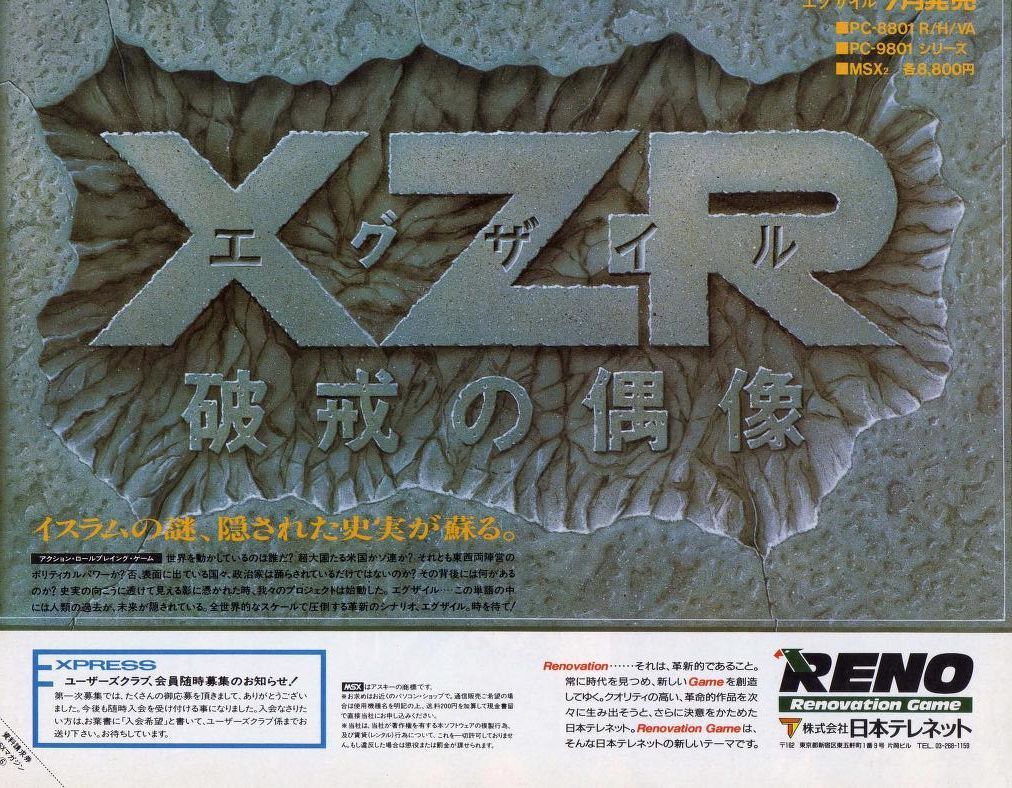
XZR: The Idol of Apostasy, 1988 by Telenet Japan
The game drew on Sunni and other Islamic sects for material, included plots involving the assassination of a Caliph, heavy use of opium and other drugs, and even time travel with the mission of assassinating the American president and the Soviet leader.
With the success of Nintendo’s Famicom (NES), the Japanese game industry began expanding into the European and American markets—and promptly ran into Western “political correctness” issues. When the national hit Dragon Quest was to be translated into English, the localization team was required to tone down certain sexual jokes and religious terminology.
Another national classic Final Fantasy also could not escape. Religious iconography was forbidden, death was forbidden, and even the word “pray” was problematic and could not be used. The result was the invention of “White Magic,” simply because certain words carried special sensitivities in the West and were off-limits.
The Western restrictions Japanese game creators encountered went beyond sex, violence, and religion—they also included politics.
One game many people have played is Revolutionary Hero (1987). In Japan it was originally titled Guevara (after Che Guevara). This directly hit an American taboo: the United States disliked Cuba, so the American version was renamed Guerrilla War. The protagonist’s name and every reference to Cuba were removed.
As long as it no longer looked like Cuba, the story could simply become “overthrow some Central American dictator”—children would not bother investigating whether that dictator was pro-American.
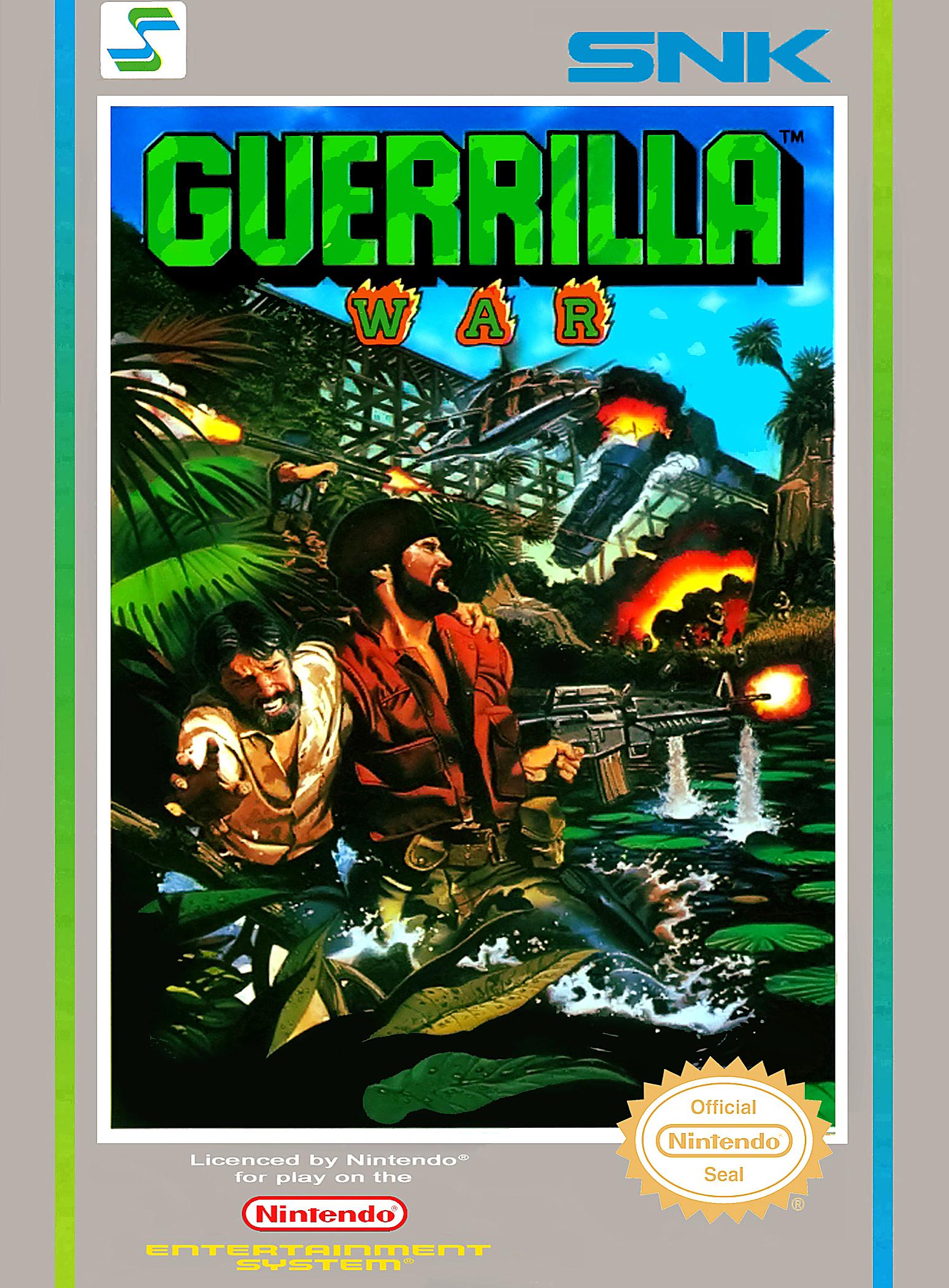
Guerrilla War, 1989 by SNK
Japanese creators began to be frightened by the shifting Western standards and turned into nervous wrecks, practicing self-censorship.
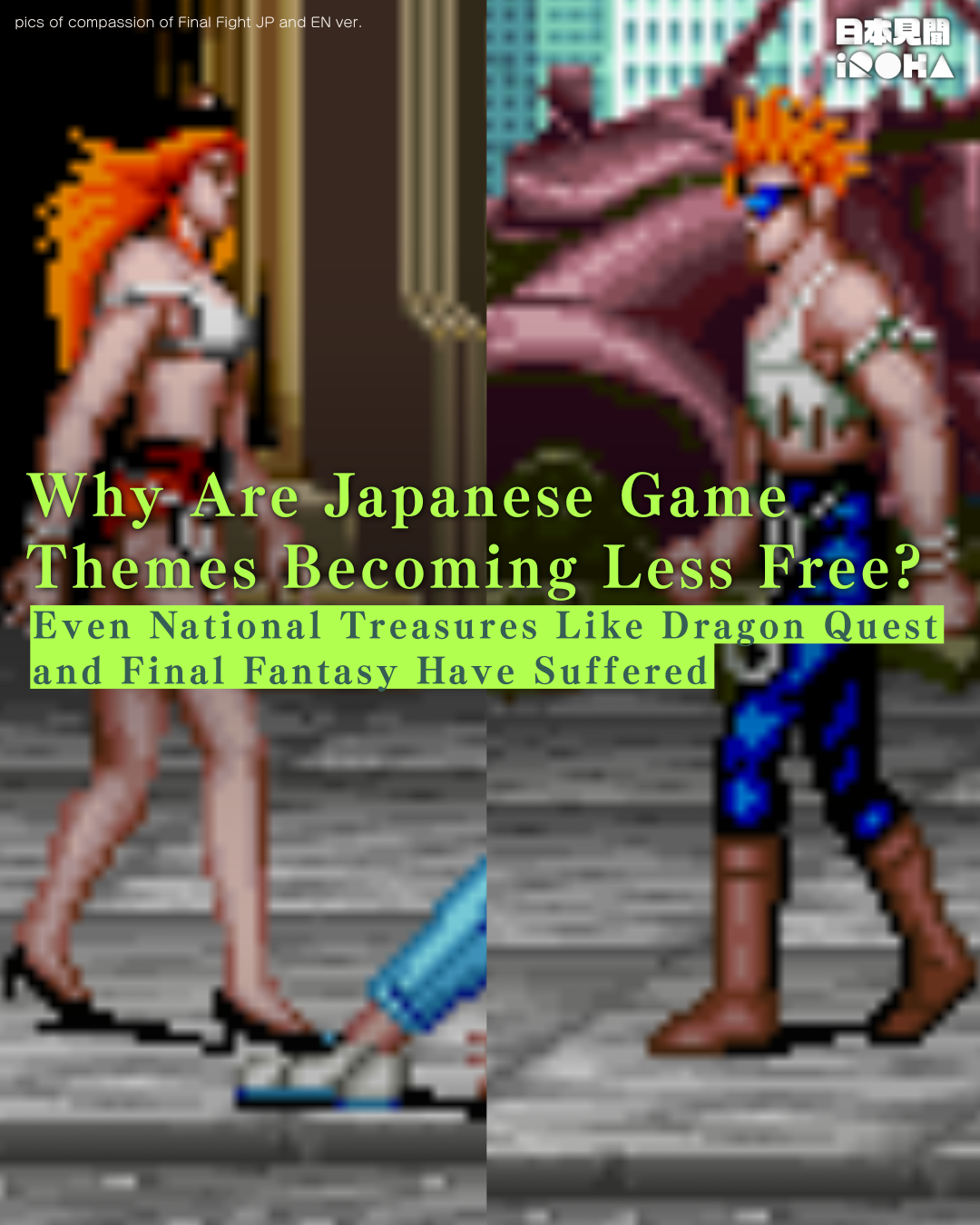
When the side-scrolling game Street Smart (also known as Spinning Kick) was released in 1989, it originally featured two sexy female gang members. Someone raised the concern: if sexy women were being beaten by the protagonists, would the political-correctness crowd object?
Fearing controversy, the North American version turned the two women into transgender characters. Then they decided even transgender characters could not be fought, so the Super Famicom version simply replaced them with two men.
No matter how carefully the Japanese calculated, they kept getting caught out. They never expected that the Pokémon creature “Jynx” would be attacked simply because its skin tone looked Black—critics claimed the design was blatant blackface and an act of discrimination against Black people.
Unwilling to risk the fire, Nintendo surrendered. From then on, Jynx’s “skin” color was changed from black to purple. Nintendo would probably never again use black on any fictional creature.
After the 9/11 attacks, America acquired a new taboo: the Quran itself became forbidden. Some Japanese games that quoted verses from the Quran in their content or dialogue—such as The Legend of Zelda: Ocarina of Time, which used Muslim symbols—were hastily recalled from the American market.In the post-9/11 atmosphere of fear, political-correctness standards became even more unpredictable and often left the Japanese bewildered. Mario Party 8 ’s English version, for example, was pulled from shelves because it used the relatively uncommon word “spastic”, which some found offensive.
Only then did the Japanese gradually understand that the standard of political correctness can keep moving—and keep moving farther away. Things that were once permissible suddenly became forbidden; games that could once be released suddenly became taboo.
The rise of the internet in the 21st century, combined with a mainstream ideology that had unified European and American university campuses, gave political-correctness controversies unprecedented power. Game companies could be attacked at any moment.
In recent years, major Japanese corporations have begun considering hiring political-correctness specialists in their European and American branches to “advise” on content. Now that Japanese game brands have become top-tier global businesses, they would rather prevent problems in advance than have their operations constantly disrupted by lawsuits and online harassment from various political-correctness groups.
When the whole world has snowflakes and someone can cry “offense” at almost anything, the creative atmosphere of the 1970s and 1980s looks comparatively free—and that freedom is long gone.
Text/Robert Girlyman